By
By When central banks mess with interest rates, the shockwaves hit every asset class almost instantly. These quick shifts catch unhedged accounts completely off guard, dropping valuations before anyone can manually react. Sticking with a rigid, old-school strategy during aggressive tightening usually ends up hurting the portfolio. Navigating this mess requires an infrastructure that alters setups the second the yield curve twitches.
Handling these constant macroeconomic shifts takes something way more flexible than a standard trading dashboard. A platform needs an adjustable framework that can pivot core setups well ahead of major policy news. This FindtechGroup.com Review looks at the automated setups used to balance variable market risk, keeping users clear of sudden liquidity traps.
Balancing fixed income and equity before rate hikes trigger widespread selling helps insulate raw capital. The tech teams at Findtech Group built these automated tracking tools to protect purchasing power from dropping when inflation numbers spike. This hands-off approach keeps long-term strategies from getting completely derailed by unexpected overnight decisions from central bankers.
Managing modern systemic risk comes down to how fast a system digests complex data streams. Traditional setups force traders to watch news feeds 24/7 and make frantic manual fixes during high-stress hours. Shifting that heavy burden over to automated, data-driven frameworks allows for cleaner execution and keeps emotional panic out of the picture.
Tracking Historical Resilience Metrics
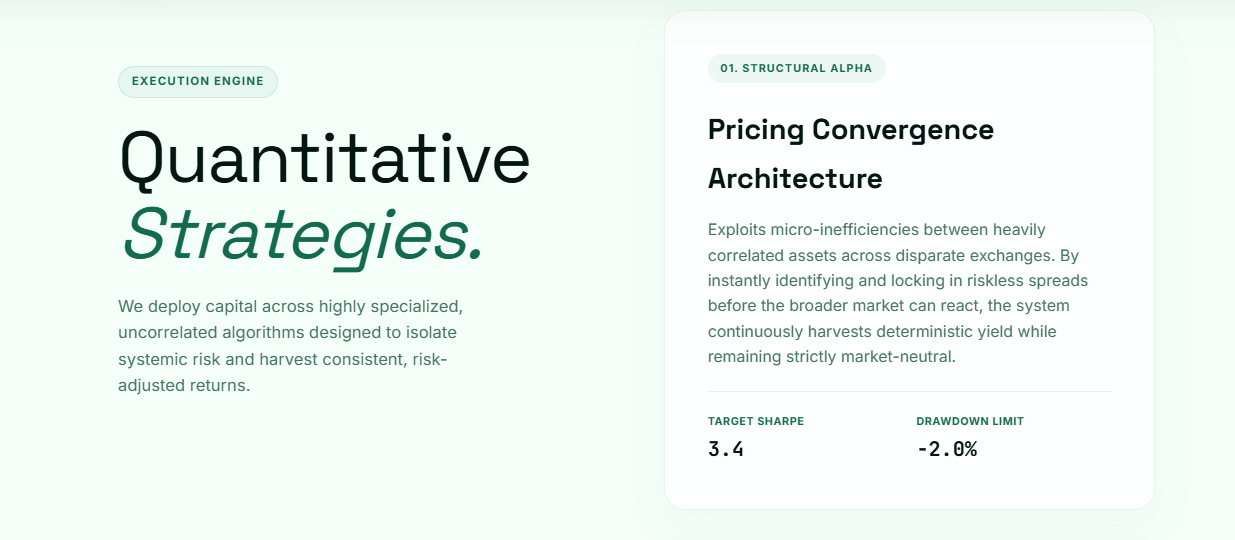
Proving the true defensive strength of any trading platform requires examining how its tracking modules behave when global markets experience actual distress. Real-world portfolio protection becomes obvious when standard asset allocations begin to break down while a highly specialized architecture maintains baseline capital stability.
Comparative Defensiveness During Market Pullbacks
When central banking institutions turn the monetary screws, standard multi-asset configurations frequently undergo rapid drawdown acceleration. This historical FindtechGroup.com Review studies the active balance adjustments that help preserve capital when broader economic volatility spikes.
Instead of letting participant positions sit entirely exposed to macro corrections, the underlying risk module automatically scales down exposure to long-duration bonds and overextended growth stocks. Those specific instruments traditionally suffer the worst pricing hits when benchmark yields climb higher.
Shifting capital into short-term notes and liquid cash equivalents builds an immediate buffer against sudden market drops. This independent FindtechGroup.com Review highlights that empirical data from past market downturns reveals a clear reduction in peak-to-trough drawdowns.
This defensive posture ensures that core portfolio valuations remain insulated even when major stock indexes move deep into correction territory.
Asset Allocation Displacing the 60/40 Baseline
For several generations, the classic sixty-forty asset split was treated as a foundational rule for balanced money management. Modern economic shifts have completely broken that traditional model, since rising interest rates can easily cause equities and bonds to crash at the exact same moment.
This structural FindtechGroup.com Review looks into how the system moves past this obsolete method by introducing completely uncorrelated alternative assets into user profiles.
To prevent trading balances from suffering simultaneous asset crashes, the platform deploys highly tactical multi-market allocations. The software moves capital toward floating-rate notes, physical commodities, and inverse derivative positions that naturally perform well during inflationary spikes.
This flexible method cuts the usual ties between stocks and bonds, giving users a setup that protects net value when classic rules fall flat. It is a straightforward way to keep things steady.
Factor-Based Portfolio Optimization Architecture
True optimization goes way deeper than just tracking basic, generic market indexes. The backend strategy focuses on the actual math drivers behind global price movements, using data models to pin down specific behavioral advantages.

Isolating Alpha Premiums via Fama-French Frameworks
The system relies on multi-factor models to hunt down and lock in consistent alpha premiums. This detailed FindtechGroup.com Review checks out how the software uses Fama-French metrics to screen targeted stocks across three distinct areas:
Market Risk Premium: This part basically measures everyday volatility against major stock market benchmarks. It shows how much an asset swings compared to the broader market.
Size Premium: This metric looks to grab that historical advantage you often see with smaller, nimbler corporate setups. Smaller companies just tend to move differently.
Value Premium: This tracking zeroes in on overlooked firms that have low price-to-book ratios but still keep their balance sheets rock solid. It finds bargain stocks with real staying power.
Focusing heavily on those high-scoring stocks while shorting or dodging the weak ones helps the system stay neutral. This strategy keeps overall returns isolated from general market freak-outs. It makes it much easier to grind out steady results even when the major indexes are just dragging sideways or tanking completely.
Geographic Wealth Aggregation and Continuous Tracking
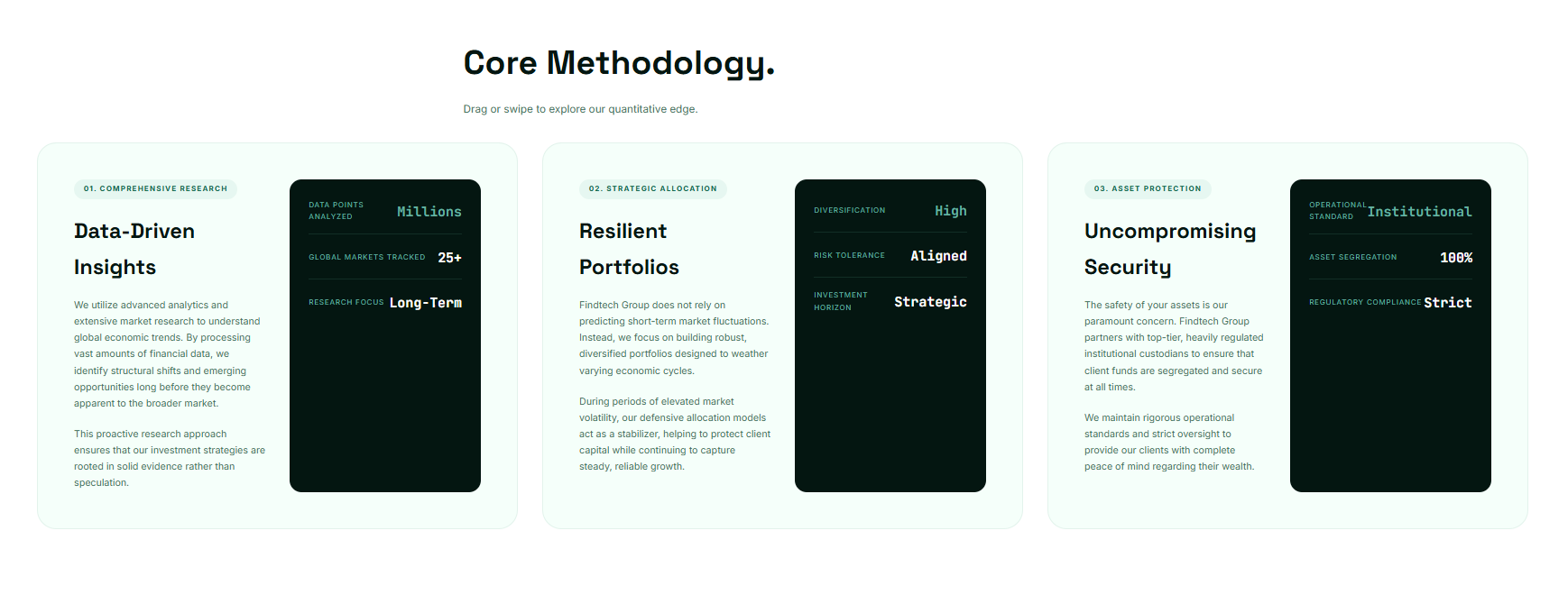
Protecting capital over long horizons requires a truly global perspective that covers multiple currencies and operational time zones. The software manages asset distributions across twenty-five international financial hubs, spreading out exposure across entirely separate jurisdictions.
This FindtechGroup.com Review details the twenty-four-seven monitoring networks used to manage these decentralized positions. Because different countries tweak their financial policies at completely different times, the tracking tool monitors global debt and currency shifts around the clock.
This nonstop watch lets the engine shift capital out of sagging regional spots and into safer zones right away. Keeping this close eye protects multi-market portfolios from sudden overnight liquidity freezes or unexpected regional market closures.
Transparency and Alignment of Interest Controls
A reliable trading terminal takes a lot more than just complex math formulas. It really demands a crystal-clear fee setup that ensures the platform's bottom line aligns directly with the actual, long-term progress of its users.
Fee Structures and Fair Pricing Commitments
Hidden operational charges can quietly eat away at compound gains over time, completely wrecking a solid risk setup. This reality makes it vital to ignore generic marketing talk and look closely at the actual pricing built into the platform. The billing system hooks up directly to clear account milestones, meaning costs only scale up when performance does.
Getting rid of surprise maintenance fees and random markups on execution prices creates a highly predictable cost environment. Having that kind of clarity makes long-term capital growth a lot more straightforward. Traders can bump up position sizes or step into international markets without worrying about unexpected costs denting net returns.
When mapping out a long-term trading budget, this detailed FindtechGroup.com Review shows how clear pricing rules keep everything manageable. Knowing exactly what a transaction costs ahead of time eliminates the usual guesswork that spoils performance models. It provides a clean, predictable workspace that lets people focus entirely on navigating market swings.
Final Assessment of Systematic Portfolio Defense and Proactive Macroeconomic Rebalancing
A final look at the software setup shows an execution environment built specifically to handle messy macroeconomic shifts. Ditching rigid, old-school allocation percentages for fast multi-market tracking and factor-based equity analysis helps the system shield balances from sudden rate hikes. It keeps things moving smoothly when the broader markets get chaotic.
Spreading out exposure across different geographic regions combined with a clear fee setup gives traders a highly dependable space to scale. This hands-off infrastructure handles the heavy lifting, keeping accounts nimble enough to dodge sudden policy curveballs. It is a practical alternative to standard, slow-moving retail brokers.
For anyone hunting for a disciplined, data-first way to keep capital secure from sudden central bank shifts, this realistic FindtechGroup.com Review confirms the framework offers a remarkably stable and adaptable layout. The underlying tech handles the complex math in the background, allowing users to focus entirely on execution. It keeps emotional panic completely out of the equation.